By Mark Hopper, VP Product
October 2025
Extended Producer Responsibility (EPR) legislation is entering a new chapter. While EPR has traditionally focused on packaging and electronics, a wave of new regulations is expanding producer responsibility to some of our most challenging waste streams, disposable vapes, household hazardous waste, and other products that have long burdened municipal systems.
For organizations in the waste management and recycling sector, this evolution represents both opportunity and complexity. Understanding these changes and preparing for compliance is no longer optional—it’s essential.
The Growing EPR Landscape
EPR operates on a simple but powerful principle: manufacturers should bear responsibility for their products throughout the entire lifecycle, including end-of-life management. This shifts the financial and operational burden from municipalities and taxpayers to the companies that design, produce, and profit from these products.
EPR policies for materials including packaging, paint, batteries, and vapes are experiencing momentum across the U.S. and are poised to expand to more states. What was once primarily focused on packaging and electronics now encompasses a growing list of product categories that require specialized handling and disposal.
Vermont Takes the Lead on Household Hazardous Waste
Vermont’s Act 58 requires manufacturers of household products containing hazardous waste to collect these products without charging the public, shifting disposal costs from government and taxpayers to producers. This groundbreaking legislation addresses a critical gap in waste management infrastructure.
Household hazardous waste, including paint, solvents, batteries, pesticides, and cleaning products, has historically been managed through sporadic collection events and limited drop-off locations. These programs are expensive to operate and inconvenient for residents, resulting in improper disposal and environmental contamination.
By requiring manufacturers to establish and fund collection systems, Vermont is creating a more sustainable and accessible framework. Producers now have direct incentives to design products that are safer, easier to recycle, and less hazardous in the first place.
California’s Ambitious Circular Economy Push
California continues to lead the United States in environmental policy innovation. California is advancing circular economy goals with ambitious EPR bills targeting marine flares, electric vehicle batteries, textiles, paint, and household hazardous waste. This multi-product approach recognizes that the circular economy requires comprehensive solutions. Each product category presents unique challenges:
• Marine flares contain hazardous chemicals that can contaminate waterways
• Electric vehicle batteries are critical to the green transition but require specialized recycling infrastructure
• Textiles represent a massive and growing waste stream with significant environmental impact
• Paint has been a longstanding EPR success story in several states
• Household hazardous waste encompasses dozens of product types requiring specialized handling
California’s holistic approach demonstrates that EPR can be scaled across diverse product categories when properly designed and implemented.
The Vape Waste Crisis
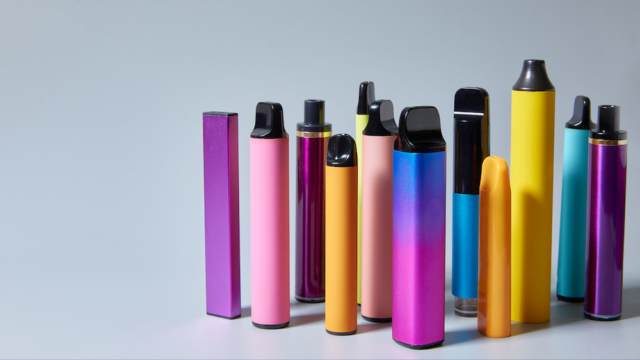
Perhaps no emerging waste stream better illustrates the need for expanded EPR than disposable vapes. These single-use electronic devices combine multiple problematic components:
• Lithium batteries that pose fire risks in collection trucks and recycling facilities
• Electronic components requiring e-waste processing
• Plastic casings that contribute to pollution
• Residual chemicals from vaping liquids
Disposable vapes have become ubiquitous, yet few consumers know how to properly dispose of them. The result? Vapes end up in landfills, litter our communities, and cause fires at waste facilities. Traditional recycling systems weren’t designed to handle this complex, hybrid product.
EPR legislation targeting vapes would require manufacturers to:
• Establish accessible collection programs
• Fund proper recycling and disposal
• Provide consumer education about end-of-life options
• Consider design changes that improve recyclability
Why This Expansion Matters
The expansion of EPR into new product categories addresses several critical issues:
Financial Sustainability
Municipalities have long struggled to fund proper hazardous waste management. EPR shifts these costs to producers, creating sustainable funding for collection and processing infrastructure.
Safety Improvements
When hazardous products enter general waste streams, they pose risks to waste workers, recycling facility operations, and the environment. Producer-funded collection systems create safer disposal pathways.
Material Recovery
Many hazardous waste products contain valuable materials that could be recovered and reused. EPR programs create the infrastructure and incentives for recovery rather than disposal.
Design Incentives
When producers bear the full lifecycle costs of their products, they have direct financial incentives to design products that are safer, more durable, and easier to recycle.
Consumer Accessibility
EPR-funded programs typically offer more convenient collection options than municipal programs, increasing participation rates and reducing improper disposal.
The Implementation Challenge
While the policy momentum behind EPR expansion is clear, implementation presents significant challenges:
Multi-Jurisdictional Complexity: As more states adopt EPR policies for different product categories, manufacturers must navigate a patchwork of requirements, timelines, and reporting standards.
Stakeholder Coordination: Successful EPR programs require collaboration among producers, waste haulers, recyclers, retailers, and regulators, each with different capabilities and incentives.
Data Management: Tracking material flows, documenting compliance, and reporting to multiple jurisdictions demands sophisticated data systems that can handle complexity at scale.
Infrastructure Development: New collection networks, processing facilities, and logistics systems must be built to handle products that weren’t previously managed through formal channels.
Consumer Education: Even the best-designed programs fail without consumer awareness and participation. Producers must invest in education and outreach.
Technology’s Critical Role
The expansion of EPR into multiple product categories creates unprecedented data management requirements. Organizations must track:
• Material flows across complex collection networks
• Compliance with varying state and local regulations
• Performance against collection and recycling targets
• Financial obligations and cost allocations
• Partnerships across the value chain
Manual systems and spreadsheets simply cannot scale to meet these demands. Purpose-built technology platforms that streamline and unify data collection, automate reporting, and provide real-time visibility become essential infrastructure for EPR compliance.
Modern waste management software enables:
• Real-time tracking of material flows from collection through processing
• Multi-jurisdictional reporting that accommodates different regulatory requirements
• Stakeholder collaboration through shared data platforms
• Audit-ready documentation that simplifies compliance verification
• Strategic insights that inform operational improvements
What’s Next for EPR?
The expansion of EPR is accelerating, not slowing down. A growing number of states are putting in place EPR legislation and expanding scope to include additional product categories such as:
• Mattresses and furniture
• Carpets and flooring
• Appliances beyond traditional e-waste
• Single-use plastics and foodware
• Medical devices and pharmaceuticals
• Automotive products beyond tires
Each new product category adds layers of complexity to compliance requirements. Organizations that establish robust EPR management systems now will be better positioned as regulations continue to evolve.
Preparing Your Organization
Whether you’re a producer facing new EPR obligations, a waste hauler expanding services, or a processor developing new capabilities, preparation is key:
1. Monitor Legislation: Track EPR bills in your operating jurisdictions and anticipate where regulations are headed
2. Assess Current Capabilities: Identify gaps between current operations and EPR compliance requirements
3. Invest in Technology: Implement systems that can scale across product categories and jurisdictions
4. Build Partnerships: Develop relationships across the value chain for collection, processing, and reporting
5. Plan for Data: Establish data collection protocols and reporting capabilities before mandates take effect
The Path Forward
EPR’s expansion into vapes, household hazardous waste, and other challenging product categories represents a maturation of producer responsibility policy. What began with packaging and electronics is evolving into a comprehensive framework for product stewardship across the economy.
This evolution creates both challenges and opportunities. Organizations that embrace EPR expansion with robust systems, collaborative partnerships, and purpose-built technology will not only be prepared to easily navigate but also potentially differentiate themselves in this new landscape. Those who treat it as a compliance burden to be minimized will struggle and potentially face regulatory penalties.
The circular economy requires circular systems, and EPR provides the policy framework to build them. As regulations expand, the waste and recycling sector must expand its capabilities to match.
We’re committed to powering a world without waste by providing the technology infrastructure that makes complex EPR compliance manageable. Because when producers, haulers, processors, and regulators can collaborate through unified data systems, everyone wins – including the environment.